

Michael Barr Urges Balanced Stablecoin Rules
Fed official calls for targeted oversight of stablecoins while preserving innovation and addressing financial system risks.
Balanced regulation emphasized
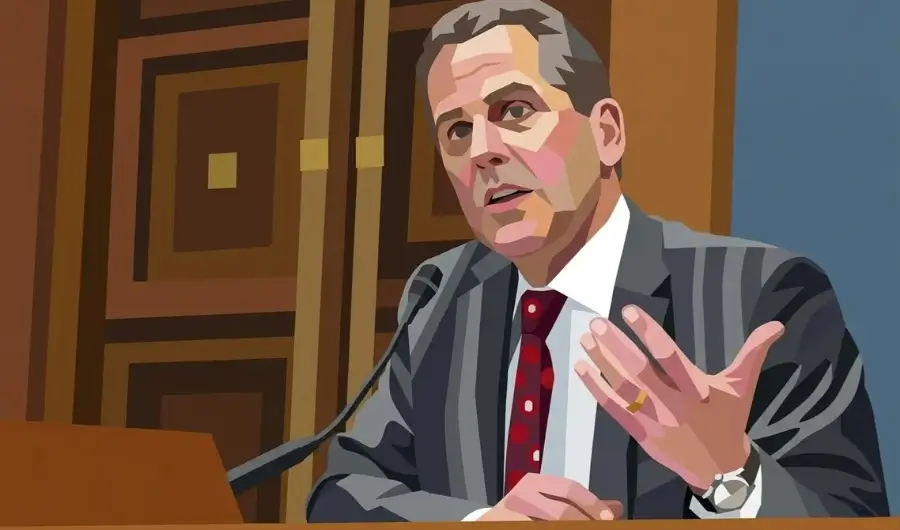
Michael Barr has called for a regulatory framework that balances oversight of stablecoins with support for financial innovation, highlighting the need for targeted rules that address risks without constraining technological development.
Speaking on the evolving role of digital assets within the financial system, Barr highlighted that stablecoins—digital tokens typically pegged to fiat currencies such as the US dollar—require clear and coordinated regulatory standards. He emphasized that such assets “borrow the trust of the central bank” when used as a means of payment and store of value, reinforcing the Federal Reserve’s interest in ensuring appropriate federal supervision.
Barr’s remarks reflect a broader regulatory stance that seeks to address vulnerabilities in the rapidly expanding stablecoin market. He warned that if non-federally regulated stablecoins were to achieve widespread adoption, they could pose “significant risks to financial stability, monetary policy, and the U.S. payments system.”
Call for coordinated legislative framework
Barr highlighted the importance of legislative action in establishing a comprehensive oversight regime. He expressed support for ongoing efforts by lawmakers to introduce stablecoin-specific regulations, noting that federal involvement is essential to maintaining trust in dollar-linked digital instruments.
In prior statements reported by Law360, Barr also indicated that effective regulation would require coordination between federal banking agencies and state regulators to close potential gaps that could undermine consumer protection and systemic stability. This approach aligns with his broader position that fragmented oversight frameworks could weaken regulatory effectiveness in the digital asset sector.
Barr’s position is consistent with earlier comments in which he called for strong federal supervision to ensure that stablecoin issuers operate within a prudential framework comparable to traditional financial institutions. He has stated that stablecoins could function as a form of private money capable of disrupting the financial system if left insufficiently regulated.
Risk mitigation and financial system integrity
Central to Barr’s argument is the need to mitigate systemic risks while allowing innovation to proceed under defined guardrails. He has repeatedly stressed that stablecoins introduce new dynamics into the payments ecosystem, including potential implications for liquidity, consumer protection, and operational resilience.
The Federal Reserve’s supervisory role, Barr explained, involves ensuring that institutions engaging with stablecoins maintain robust risk management frameworks. This includes oversight of issuance, custody, and transactional infrastructure to prevent vulnerabilities that could affect broader market stability.
Barr also linked stablecoin oversight to the integrity of the payments system, emphasizing that regulatory clarity is necessary to prevent fragmentation and ensure consistent standards across jurisdictions. Without such coordination, differing regulatory approaches at the state and federal levels could create compliance challenges and uneven protections for users.
Integration with broader digital asset policy
Barr’s comments form part of a wider Federal Reserve engagement with digital asset policy, including ongoing research into central bank digital currencies and payment system modernization. While reiterating that no decision has been made regarding a US central bank digital currency, he positioned stablecoin regulation as an immediate priority requiring legislative and supervisory clarity.
He also referenced the Federal Reserve’s efforts to support innovation through initiatives such as the FedNow instant payments service, while maintaining that private-sector developments must operate within a secure regulatory perimeter.
By advocating for a balanced regulatory approach, Barr framed stablecoin oversight as a mechanism to both safeguard the financial system and enable responsible technological advancement. His position demonstrates the Federal Reserve’s focus on ensuring that emerging forms of digital money are integrated into the existing financial architecture without compromising stability or public trust.
Disclaimer: The content on this page and all pages of Icoverage.xyz are presented for informational purposes only and should not be considered finance or legal advice.
This page may contain affiliate promotions.


Informations published are not financial advice.
We use diverse first and third party softwares on our website.
If you found an error, misinformation, or something harmful or unusual on this page please report it now!
This page or pages of this website may contain affiliate links that earn us commissions when you use them at no additional cost to you.
© ICPF All Rights Reserved | sitemap